 The Bitcoin Annotated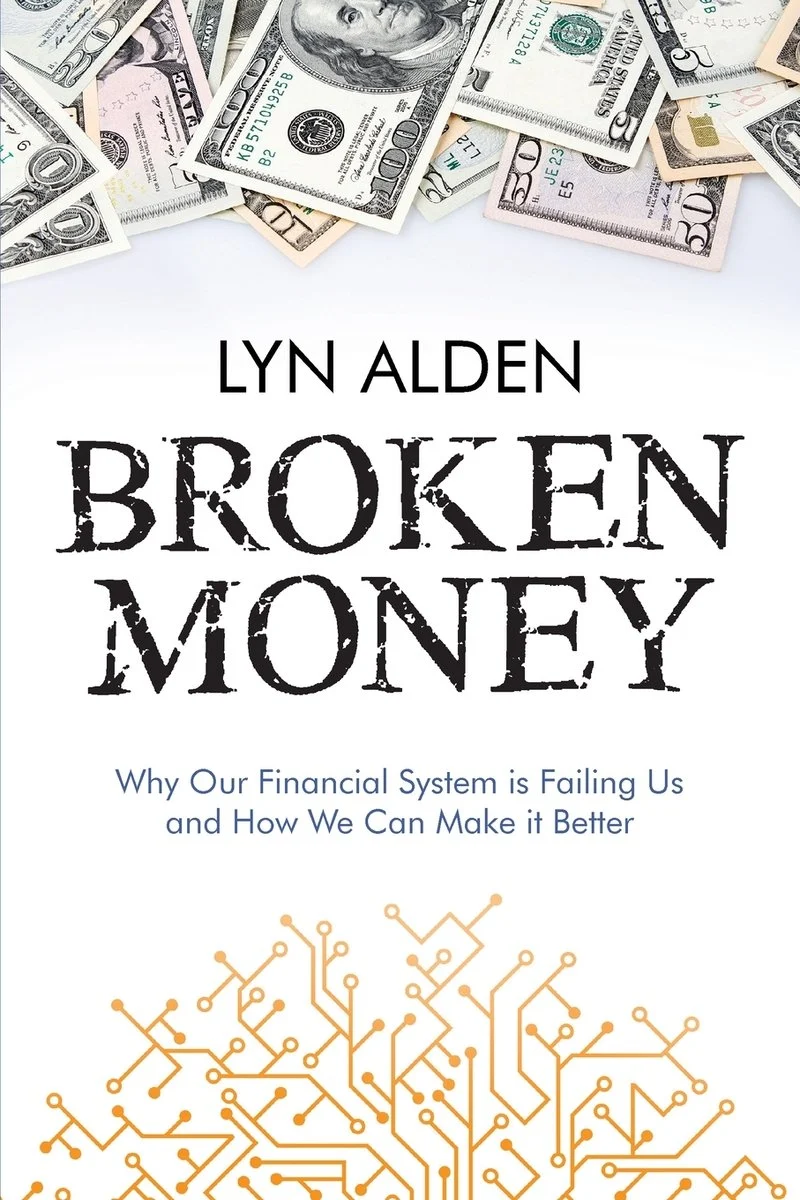
On August 20, 2023, the engineer-turned-investment-strategist Lyn Alden published a 538-page hardcover titled Broken Money: Why Our Financial System is Failing Us and How We Can Make it Better. The book reached number one in three Amazon categories on its opening day. It would, over the following two years, become the contemporary monetary work most often cited by serious bitcoin readers, not as a maxi text, not as Austrian-economics polemic, but as the work that situates bitcoin within ten thousand years of monetary technology.
Alden had been writing publicly about macro and bitcoin since approximately 2017, initially through an investment-strategy newsletter that did not begin with bitcoin as its subject. She had an engineering background, an aviation-electronics career, and a habit of writing arguments the way engineers write specifications: with sources, with charts, with each claim hooked to a citation. The bitcoin community noticed her in stages: first as a sober macro analyst whose quarterly letters happened to discuss bitcoin, then as a regular guest on the major podcasts, then as a writer whose long-form essays were treated as canonical. By 2022 she was the most-cited contemporary monetary analyst in bitcoin discourse who was not a maximalist.
Broken Money is the consolidation of that decade’s work. Its central claim is that money is best understood as a technology, that monetary technologies have evolved through phases governed by what humans could physically do — carry, secure, transmit, verify — and that bitcoin is the latest such phase rather than an exception to the pattern. The book opens with seashell money on Pacific islands, walks through gold and the European banking revolution, addresses the telegraph’s role in centralizing settlement, treats the gold standard’s collapse as the predictable consequence of communication technology outrunning settlement technology, and arrives at bitcoin as the first monetary instrument that resolves the speed-versus-soundness tradeoff that broke every previous system.
What distinguishes the book from Saifedean Ammous’s The Bitcoin Standard, which preceded it by five years, is its neutrality of register. The Bitcoin Standard makes a case. Broken Money describes a pattern. The maxi reader finishes Ammous having been argued with; they finish Alden having been shown a long arc within which their conclusion is one of several defensible ones. The catalog has the maxi text. Broken Money is the catalog’s entry for the work most likely to be handed to a curious reader who does not yet share the maxi worldview and may never adopt it.
Alden’s broader corpus is in the sources. The 2022 essay “What Is Money, Anyway?” is the canonical short version of the book’s opening argument. Her newsletters, podcasts, and conference appearances are the connective tissue between the engineer’s specifications and the community’s adoption of them. The book is the consolidation. It reads, in the way the best long-form economics writing reads, as if every paragraph has been argued with someone before it appears on the page.
By 2025 Broken Money had been translated into ten languages and was the most-recommended bitcoin-adjacent book on the major podcasts that did not begin with the word Saifedean. The author had become, somewhat against her stated preferences, a public figure within bitcoin culture. The book had not.