Silk Road went live in February 2011. It was a Tor hidden service, accessible only through a specific browser configuration most people did not have. Its creator was a 26-year-old physics graduate from Austin named Ross Ulbricht, working initially under the username Admin and later, on the advice of an associate, under the more cinematic alias Dread Pirate Roberts — borrowed from The Princess Bride, in which the title is passed from one captain to the next so the legend never dies. The handle was strategic. The user was not.
The site sold drugs, mostly. It also sold counterfeit identification, hacking tools, and a thin selection of legal goods that gave the operation a fig leaf of dual-use legitimacy. Payment was in bitcoin and only bitcoin. This was not an ideological choice so much as a practical one: in early 2011, bitcoin was the only digital payment method that could plausibly settle a transaction without the cooperation of any bank, payment processor, or government. The site’s existence, more than any document or essay, demonstrated what the asset was actually for.
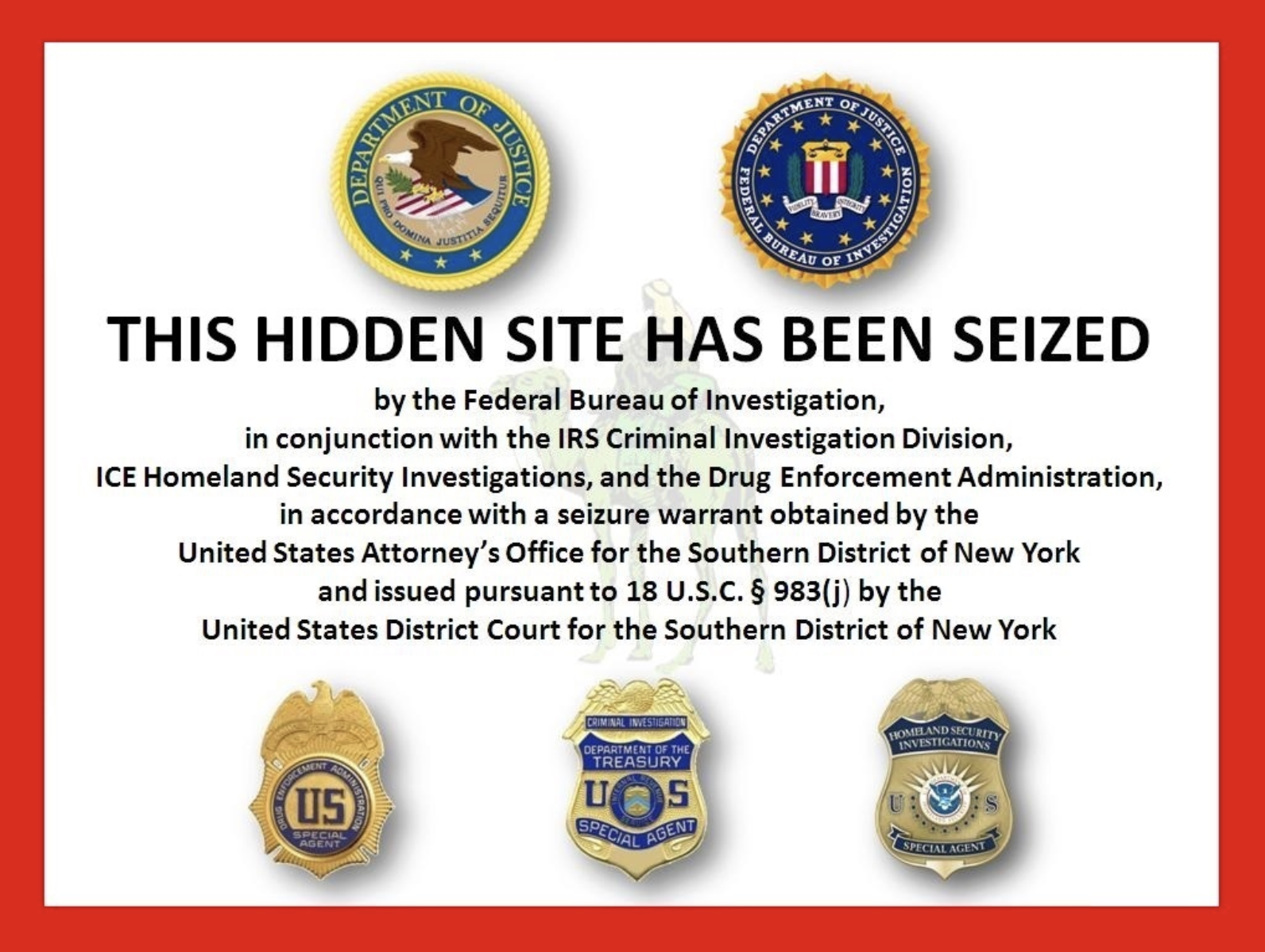
Between February 2011 and the site’s seizure in October 2013, Silk Road processed approximately 9.5 million bitcoin in sales across roughly 1.2 million transactions. Ulbricht is estimated to have collected $13 million in commissions. A 2011 Gawker article by Adrian Chen, published that June, brought the site to mainstream attention and produced a measurable surge in both traffic and bitcoin prices. United States Senator Charles Schumer demanded the site be shut down within forty-eight hours of the article’s publication. It would take another two and a half years.
The investigation that ended the site is, in retrospect, almost mundane. A Drug Enforcement Administration agent and a Secret Service agent — Carl Force and Shaun Bridges — were independently stealing bitcoin from the site during their own investigations and would later be sentenced to federal prison for it. The decisive break came from an Internal Revenue Service investigator named Gary Alford, who searched old internet forums for the username altoid and found a 2011 BitcoinTalk post in which a user by that name had advertised Silk Road and, separately, listed a personal Gmail address in the form firstname.lastname@gmail.com. The address belonged to Ross Ulbricht. On October 1, 2013, FBI agents arrested him at the Glen Park branch of the San Francisco Public Library, where he had been logged into the site as Dread Pirate Roberts. They grabbed the laptop before he could close it.
Ulbricht was convicted in February 2015 on seven counts including conspiracy to commit money laundering, computer hacking, and trafficking narcotics. Judge Katherine B. Forrest sentenced him to two consecutive life sentences plus forty years, without the possibility of parole. The sentence was widely viewed, even by people who believed Silk Road was net-bad for the world, as disproportionate. His mother Lyn Ulbricht spent the next decade running a clemency campaign that gathered more than 170,000 signatures. On January 21, 2025, in his second day in office, President Donald Trump granted Ulbricht a full and unconditional pardon. He walked out of federal prison the following day, after eleven years.
Silk Road’s commercial successors — Silk Road 2.0, AlphaBay, Hansa, and a long tail of imitators — have come and gone in roughly the pattern the original established. The cultural artifact is the original. It was the moment bitcoin stopped being a thought experiment and started being the settlement layer for a real, if illegal, economy. Whatever bitcoin’s reputation has become since, it is in large part because Silk Road came first.