There is no founding date for Bitcoin Twitter. There is no membership roster, no governance structure, no authoritative spokesperson, and no formal definition of what does or does not count as participation. The phrase refers to a constellation of perhaps fifty thousand active accounts, several thousand of which post daily, who collectively produce the bulk of the modern bitcoin community’s public discourse. The constellation has functioned, since approximately 2017, as bitcoin’s primary cultural workshop — the place where the language is generated, the arguments are conducted, the new entrants are educated, the figures are made and unmade, and the daily emotional weather of the asset is collectively performed. To call Bitcoin Twitter an institution is to stretch the word, but no smaller word is adequate. It is, by some distance, the most important non-protocol artifact in bitcoin culture.
The platform on which Bitcoin Twitter exists has, since 2022, been called X. The platform’s owner, Elon Musk, is not himself a bitcoiner; his crypto allegiances run instead toward dogecoin and a more general technological enthusiasm that the bitcoin maxi community has historically regarded with patient hostility. The platform’s pre-Musk leadership, ironically, included Jack Dorsey, who was a bitcoiner, who had directed Square’s bitcoin investments, and who had championed the development of Bluesky, an attempt to build a decentralized successor to Twitter that has substantially failed to attract the bitcoin community out of its incumbent home. Bitcoin Twitter has remained, through three changes of corporate leadership and substantial degradation of the platform’s underlying functionality, on the same site. The community’s failure to migrate is, in some respects, a confession that the network effects of conversation are stronger than the platform-quality preferences of any individual member.
What Bitcoin Twitter actually does, on a given day, is conduct the running argument about what bitcoin is, what it should be used for, who its enemies are, and which of its constituencies are betraying it. The argument has standing positions: the maxi-aligned camp, the small-block traditionalists, the privacy-focused cypherpunks, the Lightning developers, the corporate-treasury enthusiasts, the El Salvador supporters, the post-Ordinals new arrivals, the institutional adopters, the Austrian-economics theorists, and the individual stackers who post photos of their hardware wallets and the price chart and very little else. Each camp has its own vocabulary, its own canonical accounts, its own grievances against the other camps, and its own theory of what would happen to bitcoin if the other camps’ positions prevailed. The arguments are not resolved. They are, week by week, conducted, restaged, and conducted again.
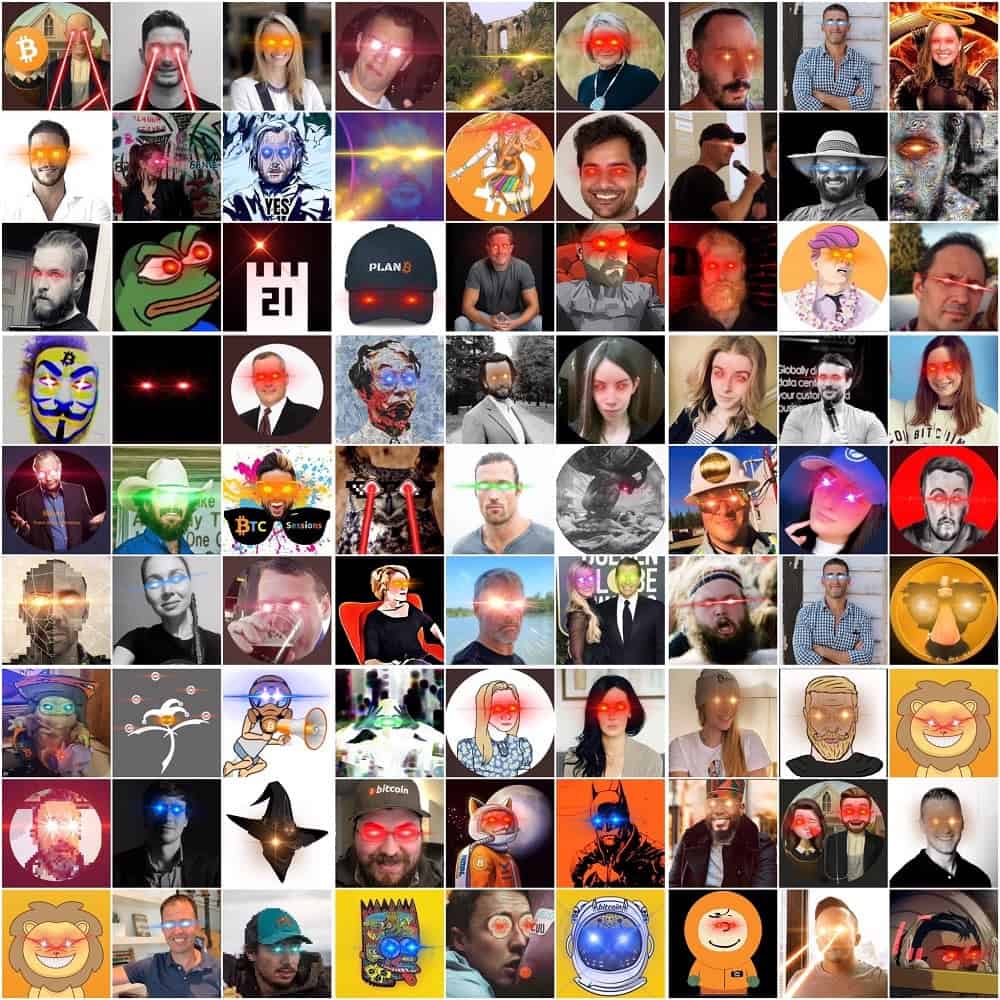
What Bitcoin Twitter has produced, beyond the arguments themselves, is the entire modern lexicon of bitcoin culture. Hodl, not your keys not your coins, number go up, have fun staying poor, stay humble stack sats, fix the money fix the world, tick tock next block, bitcoin not crypto, orange-pilled, laser eyes, and the dozens of subsidiary phrases that organize the community’s daily conversation all emerged or were popularized through the platform. The accounts that produced them — Antonopoulos, Saylor, Odell, Lopp, Hill, Ammous, Mallers, Dashjr, and the long tail of less famous but equally productive participants — are, at this point, the cultural equivalent of editorial-page columnists in a previous era’s print journalism, except that they work for free, post several times a day, and answer their own correspondence. The platform has substantially replaced, for the bitcoin community, the function previously served by trade publications, conference panels, and academic discourse.
What Bitcoin Twitter has cost, distinct from what it has produced, is harder to measure. The platform’s design rewards conflict, brevity, and personal animus. The bitcoin community’s discourse, conducted in this medium, has accumulated more than its share of all three. Long-running personal feuds have substituted for technical debate. Account suspensions, doxxings, and harassment campaigns have produced their own toll. The medium’s pseudonymity has permitted both essential privacy and chronic bad-faith engagement. Whether bitcoin culture would have been better had it been forged in a different forum is a question without a meaningful counterfactual; bitcoin culture, as it actually exists, was forged in this one, and continues to be. The catalog’s choice to recognize Bitcoin Twitter as an institution, rather than to name any particular account or any particular thread, reflects the recognition that the institution exceeds the sum of its participants and outlasts the careers of any of them.