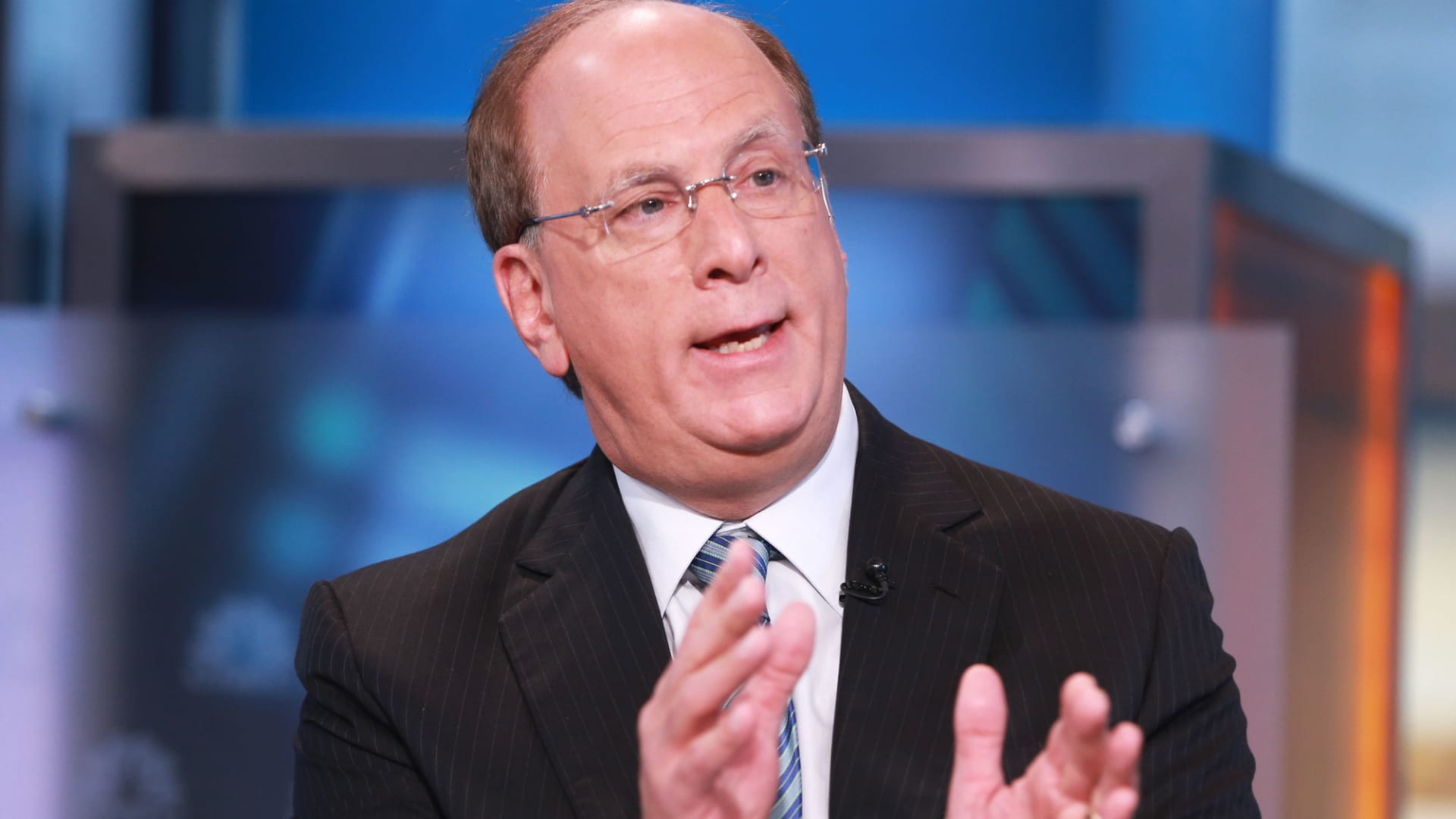
On October 13, 2017, Larry Fink — the chief executive of BlackRock, the largest asset manager in the world — addressed an Institute of International Finance meeting and was asked about bitcoin. Bitcoin had crossed five thousand eight hundred dollars that day, an all-time high. Finks answer: bitcoin was an index of money laundering. Thats all it is. He said this in October 2017, and he meant it.
On June 15, 2023, BlackRock filed an S-1 with the U.S. Securities and Exchange Commission for a spot bitcoin exchange-traded fund. The product, eventually called the iShares Bitcoin Trust under the ticker IBIT, would be approved on January 11, 2024, and launch as one of eleven spot bitcoin ETFs that day. By the end of the first year of trading IBIT held over six hundred thousand bitcoin and was the largest bitcoin fund in the world by a factor of three. By early 2026 it held over eight hundred thousand bitcoin, valued at roughly fifty-five billion dollars. BlackRocks position in bitcoin was larger, by then, than the holdings of any single sovereign wealth fund or any bitcoin-treasury company including MicroStrategy.
Between October 2017 and June 2023, Fink had reversed his position completely. The reversal had stages. In late 2018, Fink said BlackRock had no interest in a bitcoin product because clients had no demand. In December 2020, with bitcoin near twenty thousand dollars for the second time in its history, he allowed that bitcoin had caught the imagination of many people and could possibly evolve into a global market. By 2022 BlackRock was working on tokenization projects. By June 2023 the firm had filed for the spot ETF. By 2024 Fink was on television describing bitcoin as digital gold and an alternative asset class. In December 2025 he called bitcoin an asset of fear — uncoupled from BlackRocks broader portfolio, which he characterized as hope. The framing was approving.
When asked publicly to account for the reversal, Fink has said his views evolved because thousands of clients asked for bitcoin exposure that BlackRock could not previously offer. The framing puts the change in the clients rather than in him. This is consistent with how an asset manager describes its own evolution; the truth is probably some combination of client demand, internal research, and the realization that BlackRocks position as the worlds largest asset manager could not coexist with permanently boycotting an asset class with a one-trillion-dollar market capitalization. The catalog does not need to adjudicate the cause. The reversal happened. The before and after are documented.
The cultural significance is the reversal itself. For the bitcoin community, Finks 2017 quote had been a canonical entry in the catalog of dismissals — placed alongside Jamie Dimons fraud comments, Warren Buffetts rat poison squared, Paul Krugmans evil. By 2024 it was none of those things. It was an artifact of a previous era of institutional thinking that had been overturned, and the firm whose CEO had said it was now the largest single bitcoin holder of any institution on earth. Bitcoiners screenshotted Finks 2017 quote next to BlackRocks IBIT inflows for months. The reversal became, in itself, the proof that bitcoin had won the argument with Wall Street.
What made Finks reversal different from the dozens of similar reversals at other firms was scale. JPMorgan, Goldman Sachs, Morgan Stanley, Fidelity, and the rest had all softened their bitcoin positions through the early 2020s. Each reversal was meaningful. None had the gravity of BlackRock, because BlackRock manages roughly thirteen trillion dollars, and BlackRocks endorsement is, in practice, the closing argument for any institutional allocator considering whether bitcoin is an investible asset. When Fink said yes, the question stopped being whether bitcoin was investable. It became how much.
The artifact is bracketed by quotes. October 2017: an index of money laundering. December 2025: an asset of fear, an alternative. The protocol did not change between those two statements. The man and the institution did. The catalog records Finks Reversal because the absence of any single triggering event, the slow gradient from absolute dismissal to category-defining endorsement, is itself the evidence. Bitcoin won by waiting. Wall Street took eight years to admit it. The most powerful asset manager in the world ran the longest before bending the furthest.