 The Bitcoin Annotated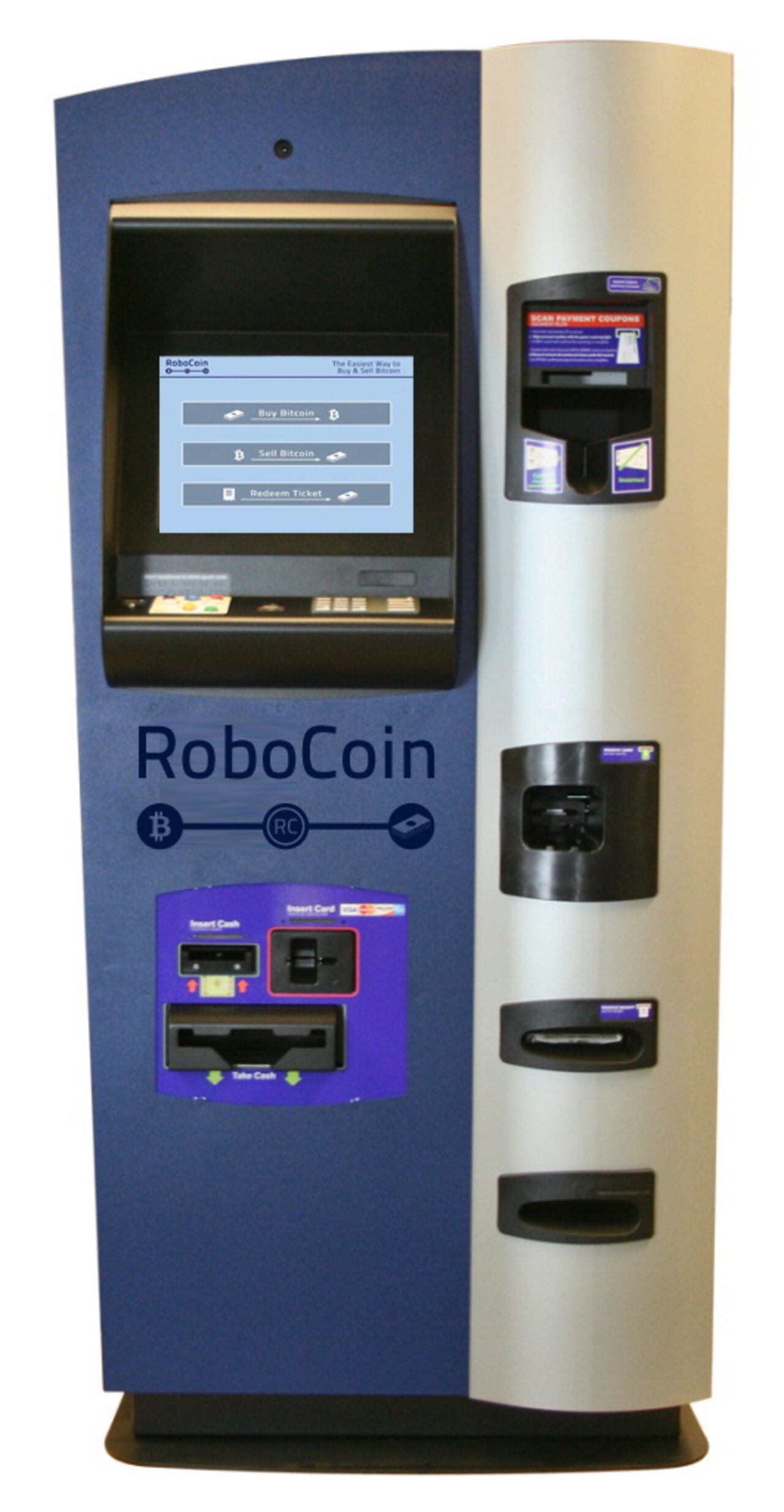
On the morning of October 29, 2013, a beige-and-black kiosk approximately the size of a household refrigerator went live inside the Waves Coffee House at the corner of Howe and Smithe streets in downtown Vancouver. A line had formed by 9 a.m. The first customer, a software developer named Jason Lamarche, fed a twenty-dollar bill into the machine’s cash slot, allowed it to scan his palm for compliance purposes, and watched a screen confirm that 0.1 bitcoin had been deposited to a wallet the kiosk had generated for him. Another early user, Gabriel Scheare, told the gathered press he just felt like being part of history. Bitcoin was trading at approximately $200. The machine had a daily transaction limit of three thousand Canadian dollars and required no prior account, no exchange registration, and no technical knowledge beyond the ability to follow on-screen instructions.
The machine was a Robocoin, manufactured by a Las Vegas startup founded by John Russell and Jordan Kelley. It was operated locally by Bitcoiniacs, a Vancouver-based bitcoin trading company co-founded by Mitchell Demeter, who had purchased five units with plans to install the others in Toronto, Montreal, Calgary, and Ottawa. Canada had been chosen for the launch because the country’s financial regulators had taken a wait-and-see posture toward bitcoin while the United States was still treating it as either a money-transmission problem or a money-laundering one. The Robocoin’s distinguishing feature, beyond simply being first, was bidirectionality: the machine could both buy and sell bitcoin, accepting cash and dispensing it with equal facility. Subsequent designs would unbundle these functions; this one performed both.
The cultural significance was disproportionate to the transaction volume. Bitcoin had existed for nearly five years by October 2013. It had a price, a network, a community, an exchange ecosystem, a controversial Silk Road association, and a small but real merchant footprint. What it had not had, until that morning in Vancouver, was a physical interface most people could understand without explanation. An ATM was not a metaphor. The machine accepted twenty-dollar bills and produced bitcoin. The transaction took fifteen seconds. The line out the door of a Vancouver coffee shop was not a crypto-adoption story; it was the moment bitcoin acquired the most mundane and most important quality a currency can have, which is the quality of being something an ordinary person could exchange ordinary cash for at an ordinary location during ordinary business hours.
The Robocoin business itself did not last. The company filed for bankruptcy in 2016, undone by the licensing requirements that had made Canada attractive in the first place becoming standard everywhere. By then bitcoin ATMs were a category. Bratislava had received Europe’s first installation six weeks after Vancouver. Albuquerque had received the first U.S. machine in February 2014. By 2020 there were ten thousand bitcoin ATMs in the United States alone. By 2025 the number was approximately thirty thousand. The Robocoin in Vancouver had been retired years earlier, replaced and replaced again by simpler machines that did one direction only.
The line formed at nine. The machine accepted twenty-dollar bills. The corner at Howe and Smithe is still there, and people walk past it. The currency, until that morning, had not had a place you could go.